
How to Create an Accurate Home Remodel Estimate: A Guide to Remodel Cost Estimation

Creating an accurate home remodel estimate is essential for any homeowner planning a renovation. It helps set realistic expectations, manage budgets, and avoid surprises during the project. I will walk you through the key steps to develop a precise remodel cost estimation that fits your needs and goals.
Understanding Remodel Cost Estimation
Remodel cost estimation involves calculating all expenses related to a home renovation project. This includes materials, labor, permits, and unexpected costs. To start, gather detailed information about the scope of work. Break down the project into smaller tasks such as demolition, framing, electrical, plumbing, and finishing.
Next, research current prices for materials and labor in your area. Prices can vary significantly depending on location and market conditions. For example, hardwood flooring costs in Washington State may differ from other regions. Contact local suppliers and contractors to get accurate quotes.
Use a spreadsheet or specialized software to organize your data. List each task, estimated quantity, unit cost, and total cost. Add a contingency fund of 10-20% to cover unforeseen expenses. This buffer helps keep your project on track financially.
Tips for accurate remodel cost estimation:
Obtain multiple quotes from contractors and suppliers
Include permit and inspection fees
Account for waste and overage in materials
Factor in the timeline and potential delays
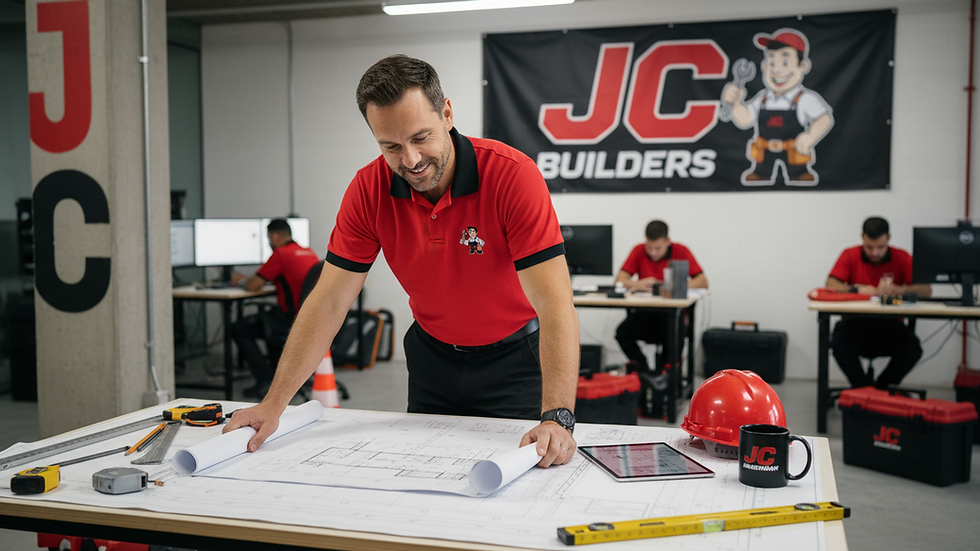
Key Components of a Home Remodel Estimate
A comprehensive remodel estimate covers all aspects of the project. Here are the main components to include:
1. Design and Planning Costs
This includes architectural drawings, engineering reports, and design consultations. If you hire a designer or architect, their fees should be part of the estimate.
2. Materials and Supplies
List all materials needed such as lumber, drywall, paint, fixtures, and appliances. Be specific about brands and quality levels to avoid surprises.
3. Labor Costs
Labor is often the largest expense. Include costs for carpenters, electricians, plumbers, painters, and any subcontractors. Confirm hourly rates or fixed prices.
4. Permits and Inspections
Check local regulations for required permits. Permit fees vary by city and project size. Include costs for inspections during and after construction.
5. Equipment Rental and Disposal
If you need to rent tools or dumpsters, add these costs. Also, budget for debris removal and site cleanup.
6. Contingency Fund
Set aside a percentage of the total estimate for unexpected issues like hidden damage or design changes.
By carefully itemizing each category, you create a clear and realistic budget. This approach reduces the risk of cost overruns.
Is $100,000 Enough to Renovate a House?
Many homeowners ask if $100,000 is sufficient for a full home renovation. The answer depends on the size of the house, the extent of work, and the quality of materials chosen.
For example, a $100,000 budget might cover:
Kitchen remodel with mid-range appliances and finishes
Bathroom updates including new fixtures and tile
Flooring replacement in main living areas
Painting and minor repairs
However, this budget may not be enough for:
Major structural changes or additions
High-end custom cabinetry and appliances
Extensive electrical or plumbing upgrades
Whole-house renovations
In Washington State, labor and material costs tend to be higher than the national average. It is important to prioritize your needs and get detailed estimates from contractors. You can also phase the project to spread costs over time.
If you want a precise idea, request a home remodel estimate from a trusted local contractor. They can assess your home and provide a tailored budget.

How to Gather Accurate Quotes from Contractors
Getting reliable quotes is critical for an accurate remodel cost estimation. Here is a step-by-step process:
Prepare a detailed project description
Include drawings, photos, and a list of desired materials and finishes.
Contact multiple contractors
Aim for at least three bids to compare prices and services.
Ask for itemized quotes
Ensure each quote breaks down costs by labor, materials, permits, and other fees.
Check contractor credentials
Verify licenses, insurance, and references.
Discuss timelines and payment schedules
Clarify when payments are due and project milestones.
Review and negotiate
Ask questions about any unclear charges and negotiate where possible.
Get everything in writing
A written contract protects both parties and sets expectations.
By following these steps, you reduce the risk of hidden costs and delays. Transparent communication with your contractor is key.
Managing Your Remodel Budget Effectively
Once you have an accurate remodel cost estimation, managing your budget is the next challenge. Here are practical tips:
Track expenses regularly
Use a spreadsheet or app to record all costs and compare them to your estimate.
Prioritize essential work
Focus on structural and safety improvements before cosmetic upgrades.
Be flexible with materials
Consider alternative products that offer similar quality at lower prices.
Plan for contingencies
Expect surprises and have funds ready to address them.
Communicate with your contractor
Stay informed about progress and any changes that affect costs.
Avoid scope creep
Stick to your original plan unless absolutely necessary.
Effective budget management helps ensure your remodel finishes on time and within your financial limits.
Final Thoughts on Remodel Cost Estimation
Creating an accurate remodel cost estimation requires careful planning, research, and communication. By breaking down the project into detailed components and gathering multiple quotes, you gain control over your renovation budget.
Remember to include all costs, from permits to cleanup, and set aside a contingency fund. Managing your budget throughout the project keeps surprises at bay.
If you want a reliable estimate tailored to your home, consider reaching out for a professional home remodel estimate. This step can save you time and money in the long run.
With the right approach, your remodeling project will be a smooth and rewarding experience.


Comments